
By Marco Benavides, Certified Local Guide | 8 min read
It's the question I hear most often from families planning their Ecuador adventure: "Marco, is Ecuador really safe for us to visit?"
And I get it. When you're planning a trip to South America with your spouse, your kids, or your grandkids, safety isn't just a concern—it's the top priority. You've seen the headlines. You've heard the stories. And you want to make absolutely sure everyone comes home with incredible memories, not stressful experiences.
That concern? Completely valid. In fact, I'd be more worried if you weren't asking these questions. Smart travelers do their homework, and that's exactly what you're doing right now.
But here's what I want you to know after years of guiding families just like yours through Ecuador: there's a big difference between what makes the news and what your actual experience will be when you travel the right way.
Let me break it down for you.
A Little About My Perspective
Before we dive in, I want to share where I'm coming from. I'm not a travel blogger who visited Ecuador once and decided to write about it. I'm a certified local guide who lives here, works here, and has spent years leading families, couples, and adventurers through this incredible country.
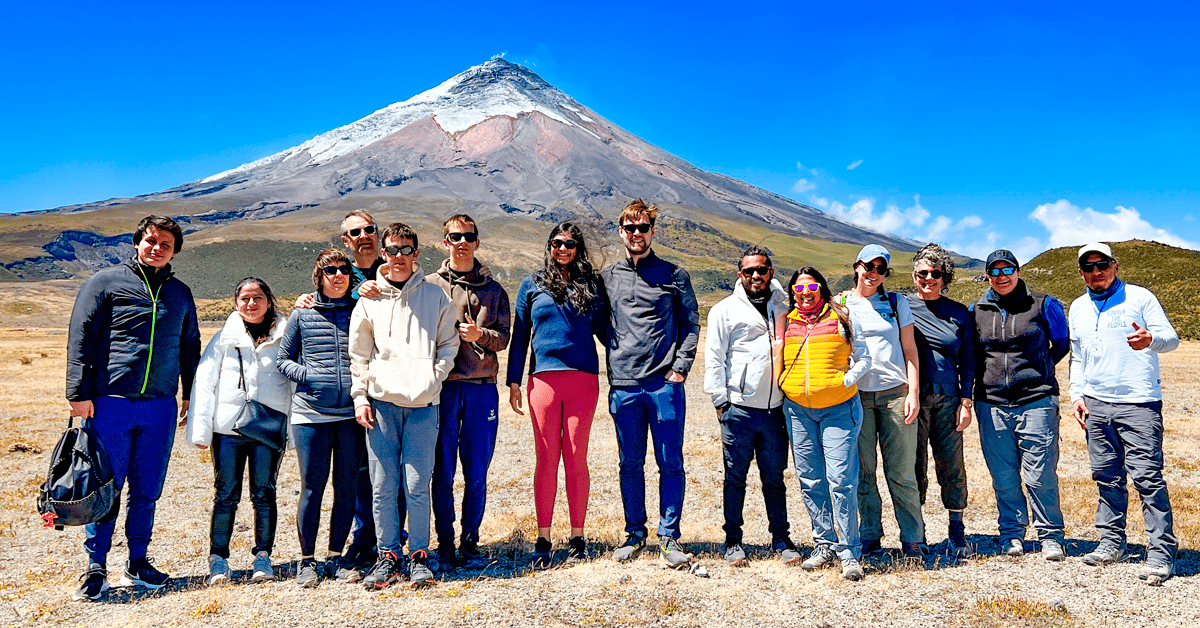
I've walked the cobblestone streets of Quito's colonial center hundreds of times. I've taken grandparents and grandkids to indigenous markets in Otavalo. I've guided families up to the base of Cotopaxi volcano and through misty cloud forests.
This isn't theory for me. This is my daily life, my home, and my passion. And I can tell you with confidence: when you travel smart, Ecuador is not only safe—it's one of the most rewarding destinations you'll ever experience.
The News vs. Reality: Understanding Tourist Corridors
Let's get real for a moment. Yes, like any country in the world, Ecuador has its challenges. But here's what most travelers don't understand: the Ecuador you see on the news and the Ecuador you'll experience as a tourist are two very different worlds.
Most safety issues in Ecuador happen in specific urban areas that tourists simply don't visit. We're talking about certain neighborhoods in large cities, border regions, or industrial zones. These places are not on any tour itinerary—yours won't be either.
Where You'll Actually Be
The places you'll be visiting operate in what we call tourist corridors, and they function very differently:
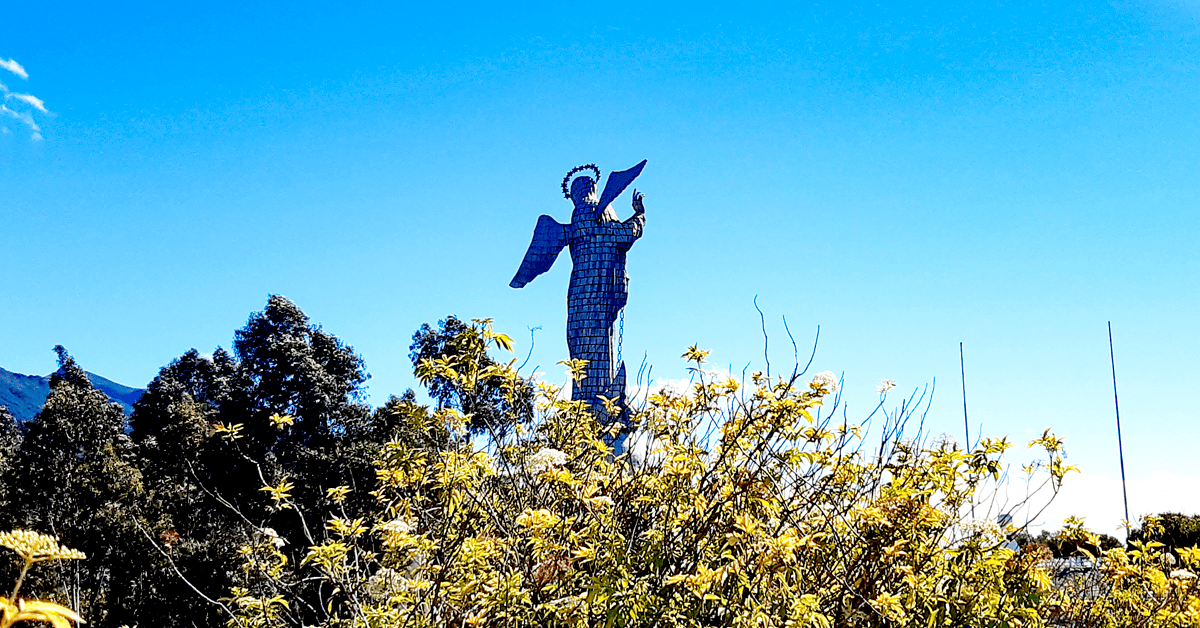
- Quito's Historic Center – A UNESCO World Heritage site with tourism police and a thriving travel infrastructure
- Otavalo Indigenous Market – One of South America's most famous markets, welcoming thousands of visitors weekly
- Cotopaxi National Park – A protected area with established tour operators and safety protocols
- Mindo Cloud Forest – An eco-tourism hub designed around visitor experience
- The Galápagos Islands – One of the most carefully managed tourist destinations on the planet
Think of it this way: if someone asked you, "Is the United States safe?" you'd probably say, "Well, it depends where you go, right?" You wouldn't tell tourists to avoid New York City or San Francisco just because crime exists somewhere in the country.
Same principle applies here.
In Ecuador's tourist corridors, there's visible infrastructure specifically designed for travelers. There are tourism police. There are established, reputable operators. And most importantly, the local economy depends on tourism, so communities have a vested interest in keeping visitors safe and happy.
I guide families every single week through these areas, and the biggest "danger" they usually face? Eating too much delicious Ecuadorian food.
Smart Travel: 5 Essential Safety Tips for Families
Now let's talk practical strategies. Here's how you maximize your safety and peace of mind when visiting Ecuador.
1. Choose Private Transportation Over Public Buses
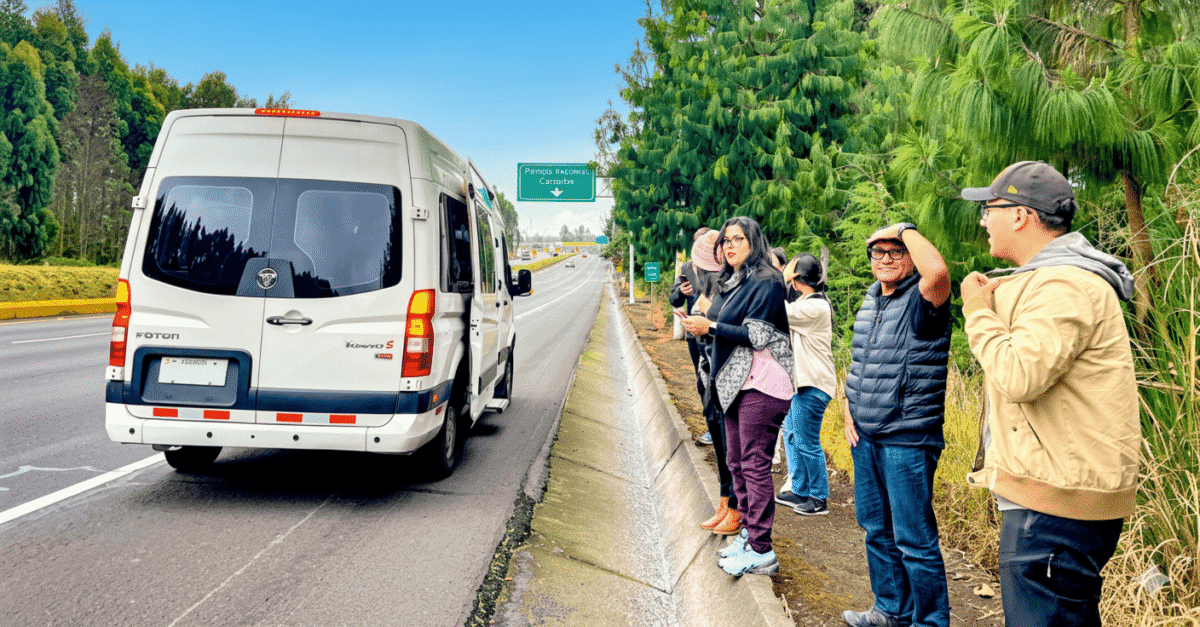
One of the biggest differences between budget backpacking and smart family travel is transportation. Public buses in Ecuador are fine for locals who know the routes, the stops, and the language. But for visitors—especially families traveling with luggage, cameras, and valuables? Private transportation is your best friend.
Why?
- You're not navigating unfamiliar bus stations
- You're not a visible target with suitcases and backpacks
- You have a trusted driver who knows exactly where they're going
- You can adjust routes if needed
- It's not just safer—it's more comfortable and efficient
Your time in Ecuador is precious. Don't waste it (or risk it) trying to figure out local bus routes.
2. Travel with a Certified Local Guide
When you have a local guide, you're not just getting someone who points out volcanoes and explains history. You're getting a cultural bridge, a problem-solver, and yes—a security buffer.
Here's what a good guide provides:
- Language fluency to navigate any situation
- Cultural knowledge to avoid misunderstandings
- Local intelligence about which areas to avoid and when
- Situational awareness to sense when something feels off
- Flexibility to adjust plans on the fly
We know which restaurants are safe, which markets are best at which times, and how to handle unexpected situations with local knowledge. You're never alone figuring things out.
3. Understand and Respect Altitude
Here's something families often overlook: in Ecuador, health safety is just as important as personal security.
Ecuador is a high-altitude country. Quito sits at 9,350 feet (2,850 meters) above sea level. Cotopaxi is over 15,000 feet (4,800+ meters). If you're coming from sea level, this matters.
The good news? With proper acclimatization, hydration, and a sensible itinerary, altitude is totally manageable.
Smart altitude tips:
- Spend your first day in Quito taking it easy (no strenuous activity)
- Drink lots of water—more than you think you need
- Avoid alcohol the first night
- Ascend gradually (don't go straight from Quito to Cotopaxi)
- Listen to your body and tell your guide if you feel off
A good guide will pace your itinerary, watch for symptoms, and make sure you're ascending gradually. This isn't just about comfort—it's about safety.
4. Practice Food and Water Safety
Traveler's stomach is no fun, especially when you're on vacation with family. But it's easily preventable.
Simple rules:
- Drink bottled water (it's cheap and available everywhere)
- Stick with established restaurants, especially at first
- Avoid street food unless your guide gives the thumbs up
- Wash your hands frequently (or carry hand sanitizer)
- Be cautious with raw vegetables and salads in budget spots
Ecuador has incredible cuisine—you just need to be smart about where you eat it.
5. Keep Valuables Low-Key
This applies anywhere you travel, not just Ecuador. Don't flash expensive jewelry, watches, or cameras unnecessarily. Keep your phone in your pocket or bag when you're not using it. Use a money belt or hidden pouch for passports and large amounts of cash.
Pro tip: Bring a photocopy of your passport to carry around instead of the original.
The "Author Trip" Advantage: Why Personalized Tours Are Inherently Safer
Now let me tell you about something I'm really passionate about: the power of a personalized, private tour.
When you book a cookie-cutter group tour, you're on a fixed schedule with 20-40 strangers, rushing through a checklist of stops. But when you work with a local guide to create a custom itinerary, safety actually increases dramatically.
Why? Three words: Flexibility, Privacy, and Relationship.
Flexibility: If there's an event happening in one part of the city, we simply adjust and go somewhere else. If you're feeling the altitude, we slow down or spend an extra day acclimatizing. If a family member isn't feeling well, we adapt the day. You're not locked into a rigid schedule that doesn't account for real life.
Privacy: You're not broadcasting to 40 people on a tour bus that you're tourists. You're traveling like locals do—intentionally, quietly, and smart. Lower profile = lower risk.
Relationship: I get to know my families personally. I know if someone has mobility issues, if the kids get tired easily, if grandma needs more bathroom breaks. That personal attention means I can anticipate needs and keep everyone comfortable and safe.
This is what I call the "author trip" difference. You're not following someone else's script. You're writing your own Ecuador story—safely and memorably.
Real Talk: What Families Actually Experience
Let me share what a typical week looks like for the families I guide:
Day 1: Arrive in Quito, private transfer to hotel, easy walking tour of the historic center, early dinner at a recommended restaurant.
Day 2: Acclimatization day—visit the Equator Monument, explore a local market, take it easy.
Day 3: Day trip to Otavalo market with private transportation, stop at scenic viewpoints, lunch at a family-run restaurant.
Day 4: Cotopaxi National Park (we've acclimatized now), hike to the refuge, return to Quito.
Day 5: Cloud forest adventure in Mindo—waterfalls, wildlife, chocolate tour.
Day 6-10: Galápagos extension (optional).
Notice what's NOT on this itinerary? Long bus rides with strangers. Sketchy neighborhoods. Risky situations. Rush-rush-rush schedules that exhaust everyone.
What IS on this itinerary? Smart pacing. Local knowledge. Private transportation. Flexibility. Cultural immersion. And incredible memories.
That's the reality of how families experience Ecuador when they travel the right way.
So, Is Ecuador Safe for Families?
Here's my honest answer: Yes—when you travel smart.
Ecuador is safe for families when you:
✅ Use private transportation instead of public buses
✅ Travel with a certified local guide who knows the landscape
✅ Stick to established tourist corridors
✅ Respect altitude and health considerations
✅ Practice common-sense travel safety
✅ Choose personalized tours over large group tours
Is it risk-free? No destination in the world is. But with smart planning and local expertise, Ecuador offers families an incredible opportunity to experience authentic culture, stunning nature, and life-changing adventure—all while feeling secure and cared for.
I wouldn't dedicate my career to guiding families here if I didn't believe that wholeheartedly.
Ready to Start Planning Your Ecuador Adventure?
If you're a family or couple thinking about Ecuador, but safety concerns have been holding you back, let's talk. I mean that.
📥 Download Our FREE Ecuador Planning Guide
Everything you need to start planning a safe, memorable Ecuador adventure—including destination guides, packing lists, altitude tips, and safety strategies.
Download Your Free Guide Here →
💬 Contact Me Directly on WhatsApp
Have specific questions? Want to discuss a custom itinerary tailored to your family's interests and concerns?
WhatsApp: +593 96 350 3896
(Save this number—I respond personally to every message)
🌎 Explore Custom Ecuador Tours
From cultural immersion to soft adventure, I create personalized itineraries for families and couples who want authentic experiences without the crowds or stress of group tours.
Learn More About Custom Tours →
Your Ecuador Story Awaits
Because here's the truth: Ecuador is safe for families when you travel the right way. And the right way means traveling with local knowledge, smart planning, and someone who genuinely cares about your experience.
Whether you're dreaming of exploring colonial Quito, visiting indigenous markets, standing at the base of a volcano, walking through cloud forests, or discovering the Galápagos Islands—Ecuador is ready to welcome you.
And I'm here to make sure it's everything you've dreamed of—and more.
Safe travels, friends.
—Marco Benavides
Certified Local Guide | Trips & Travel Ecuador
Listen to the Full Podcast Episode
Prefer to listen instead of read? Check out the full audio version of this discussion on the Trips & Travel Ecuador Podcast, available on:
🎧 Apple Podcasts | Spotify | Google Podcasts
About the Author
Marco Benavides is a certified local guide based in Ecuador with years of experience leading families, couples, and adventurers through his home country. As both a guide and local resident, Marco offers unique insights into traveling Ecuador safely, authentically, and memorably. His specialty is creating personalized "author trips" for travelers seeking cultural immersion and soft adventure without the crowds or rigid schedules of group tours.
 EN
EN  ES
ES